AP4 |
dialogues. pearlyn CHONG
PICHAYA “PAM” SOONTORNYANAKIJ.
chef & owner Potong. world best female chef 2025.
you spent part of your childhood in yaowarat. what are some of your earliest memories of growing up here—maybe a favorite street food stall or a festival that left an impression?
For me, Yaowarat is more than just the food; it was the rhythm of the street—the clatter of woks, the red paper lanterns swaying above—that shaped my understanding of Thai-Chinese culture as something alive and communal. That atmosphere lives in me and I expressed in what I do here everyday..
how long have you been working as a chef in chinatown, and what keeps you tied to this area?
I’ve been working in this area officially since started the restaurant in 2021, but in reality, it began much earlier—when I decided to renovate my family’s century-old building into something that could give back to the neighborhood. What ties me to Yaowarat is not just the heritage, but the energy. It’s the heart of Thai-Chinese identity in Bangkok. Every street corner here holds a piece of history. I don’t see it as just a backdrop to my restaurant—it’s the foundation of everything I do.
what’s one change you’ve noticed in chinatown over the years, and how has it impacted the way you run your restaurant?
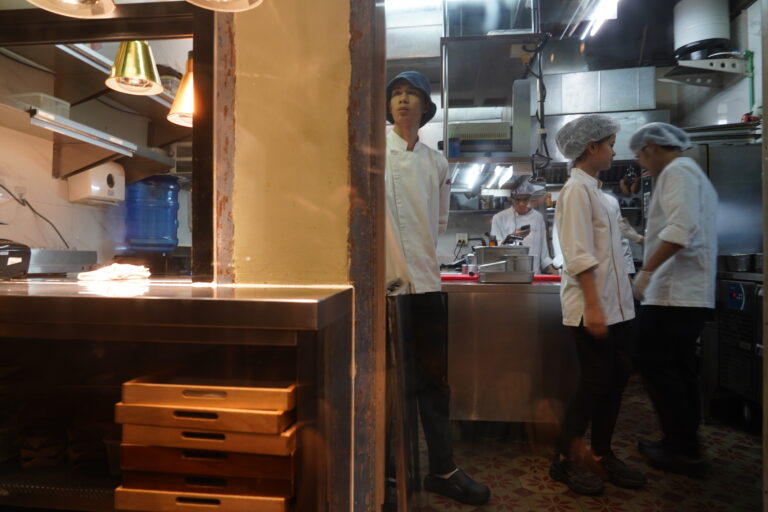
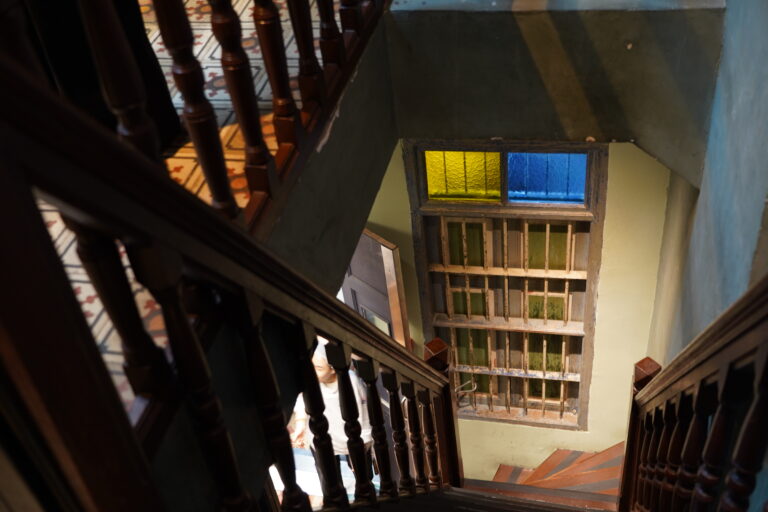
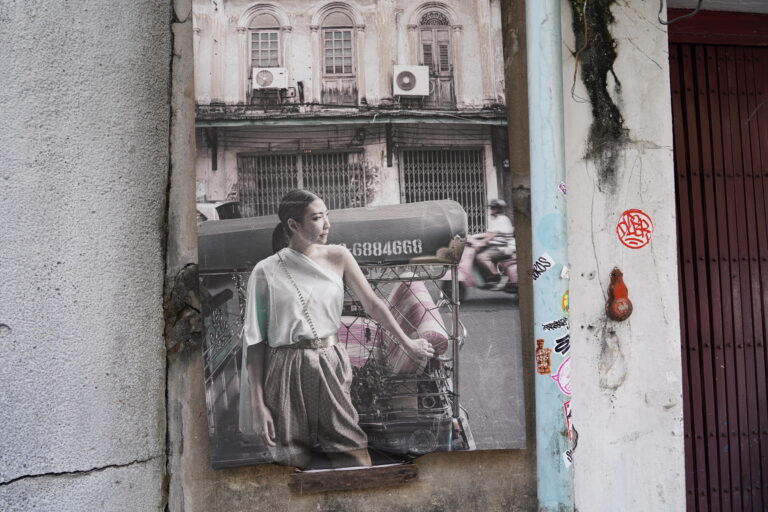
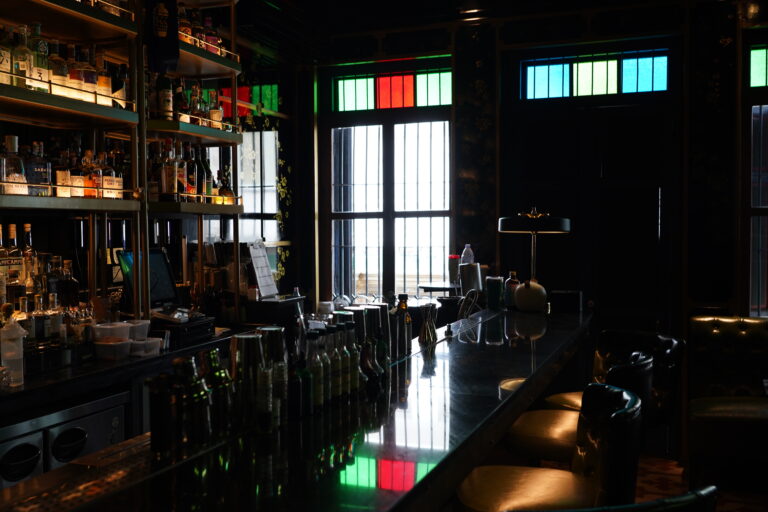
The decision came from a personal connection. My grandfather used to walk me through the building, telling me stories about each floor—what used to happen there, who lived or worked in each room. At the top of the building, I told my husband, “What if we could share that same feeling with others?” That’s when the idea of turning it into a restaurant came to life. I wanted to respect my family’s past, but also reimagine it through something I could offer—food.
what’s the story behind this building? are there any unique features—like old architecture or family artifacts—that you’ve preserved to honor its history?
how does the building’s tcm heritage influence the atmosphere or philosophy of your restaurant?
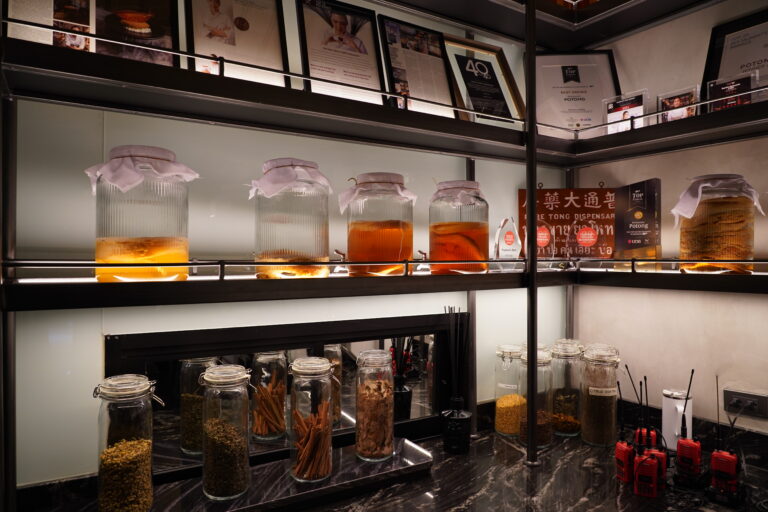
While we’re not practising TCM in the traditional sense, the philosophy still runs deep. We work with balance—the Five Elements, the Five Senses. Each dish is crafted to evoke not only flavor but memory and wellness. There’s a reverence for nature, seasonality, and energy in our cuisine that reflects TCM roots, just in a new medium.
could you describe your clientele in a breakdown of domestic and foreign visitors, and then, within these groups, provide a breakdown into bangkok and chinatown residents?
We welcome a broad mix of guests. Around 60% of our diners are international visitors from places like Singapore, Japan, Hong Kong, Europe, and North America. The remaining 40% are domestic guests, mostly from Bangkok, including some who have a family or historical connection to Chinatown. Interestingly, we also see younger generations from Bangkok who are discovering their roots through food. As for the Chinatown community, while they may not visit as often due to the formality of the experience, their presence and support are still deeply felt. We have a lot of Thai customers, it’s just that foreign usually make plan before they visit, this make them able to make reservation far in advance; hence the numbers.
some tourist spots water down their food or service, assuming visitors won’t notice. how do you stay true to your thai-chinese roots while making sure every guest—local or foreign—has an authentic, high-quality experience?
We never compromise on flavor, technique, or the philosophy behind the dish. Whether our guest is local or visiting from abroad, they experience the same level of detail and depth.
We bring guests into our world through thoughtful pacing, curated beverages, and clear communication from our service team.
how do you adapt your menu or service to suit different tastes, like a tourist unfamiliar with thai-chinese flavors or a local who grew up eating in yaowarat?
We design our service flow to guide guests gently through the experience, offering context and explanation where needed. Our team is trained to identify when someone may need more background on an ingredient or cooking method, without making it feel overwhelming. For locals, many flavors bring back memories, so we focus on highlighting nostalgia with refinement. For international guests, we build curiosity and trust by engaging the senses and offering unexpected, but thoughtful, layers of flavor.
your thai-chinese heritage is central to your cuisine. how do you balance traditional recipes with your own creative twists?
Everything starts with deep respect for tradition. I study classic Thai and Chinese recipes— not just for flavor profiles but for their cultural and emotional meaning. Only once I understand those foundations do I allow myself to innovate. My approach is not to deconstruct just for the sake of modernity, but to elevate the essence of a dish. Whether it’s introducing fermentation techniques, reimagining textures, or using refined plating, the goal is to honor the spirit of the dish while expressing it through my lens as a modern chef.
you mentioned memories. can you share a dish that’s tied to a personal or family memory and how you bring that into the plate?
For example, One of the most emotional dishes Pad Thai course, is reimagined with Nakhon Si Thammarat shrimp. While there are many theories about the origin of Pad Thai, the version that inspired me is its creation during Plaek Phibunsongkhram’s regime—a time of Thai nationalism, when the country needed an affordable, unifying dish. It’s also a symbol of Chinese-Thai integration. During my research, I came across the layers of history behind it—how it was meant to strengthen national identity through food, using noodles at a time when rice had to be rationed.
In our interpretation, we don’t replicate the original dish—we distil its essence into a refined presentation.
chinatowns globally face debates about balancing tradition with innovation, and some worry that new businesses like fine dining contribute to gentrification. what’s your take on this, and how do you see your restaurant fitting into yaowarat’s evolution?
When I started my business my intention was never to gentrify Chinatown, but to preserve and reinterpret it in a respectful and meaningful way. I wanted to keep the building’s heritage alive. I don’t believe innovation has to erase tradition—in fact, I believe the best innovation comes from it. We preserved the original structure, honored the spiritual and physical layers of the space, and integrated progressive Thai-Chinese cuisine to keep the spirit alive for future generations.
how did the local chinatown community react when you opened your restaurant? were there any challenges or warm welcomes that stood out?
is reimagining or innovating Chinatown part of your mission? If so, how do you hope to contribute to its future?
do you work with chinatown’s leadership or organizations to promote the area’s culture and heritage?