“Of a city you do not appreciate the seven or seventy-seven wonders, but the answer it gives to a question of yours” (ITALO CALVINO. Le città invisibili, 1972)
This section is part of our ongoing work on building—and re-building—brands, spaces, and places with the aim of examining their significance and identifying new operating models. Here, we introduce perspectives on Chinatowns from key stakeholder interviews and research, focusing especially on Bangkok and Singapore—two Chinatowns in different stages of development.
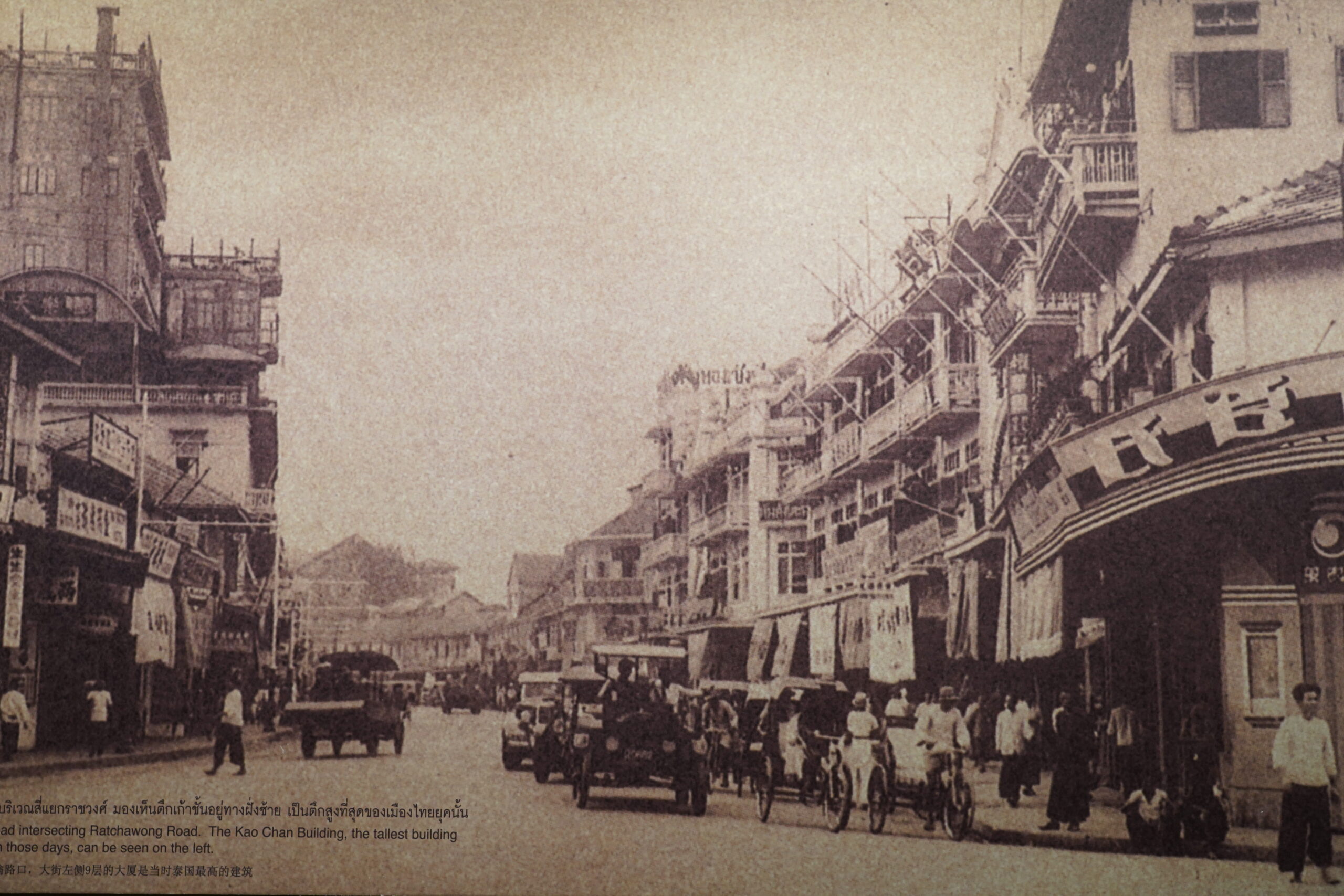
Chinatowns are powerful case studies to explore the dynamics of worldbuilding, particularly in an era where digital connectivity and social isolation have heightened interest in community-driven spaces and the conditions that sustain authentic urban ‘worlds.’
Originally established as vibrant enclaves for diasporic communities seeking new opportunities abroad or escaping political upheaval and social unrest, these neighborhoods—often strategically located near key city hubs—are examples of “new worlds in other lands.” Over time, Chinatowns have thrived and adapted, navigating complex transformations while striving to remain relevant and innovative, preserving their cultural and social wealth.
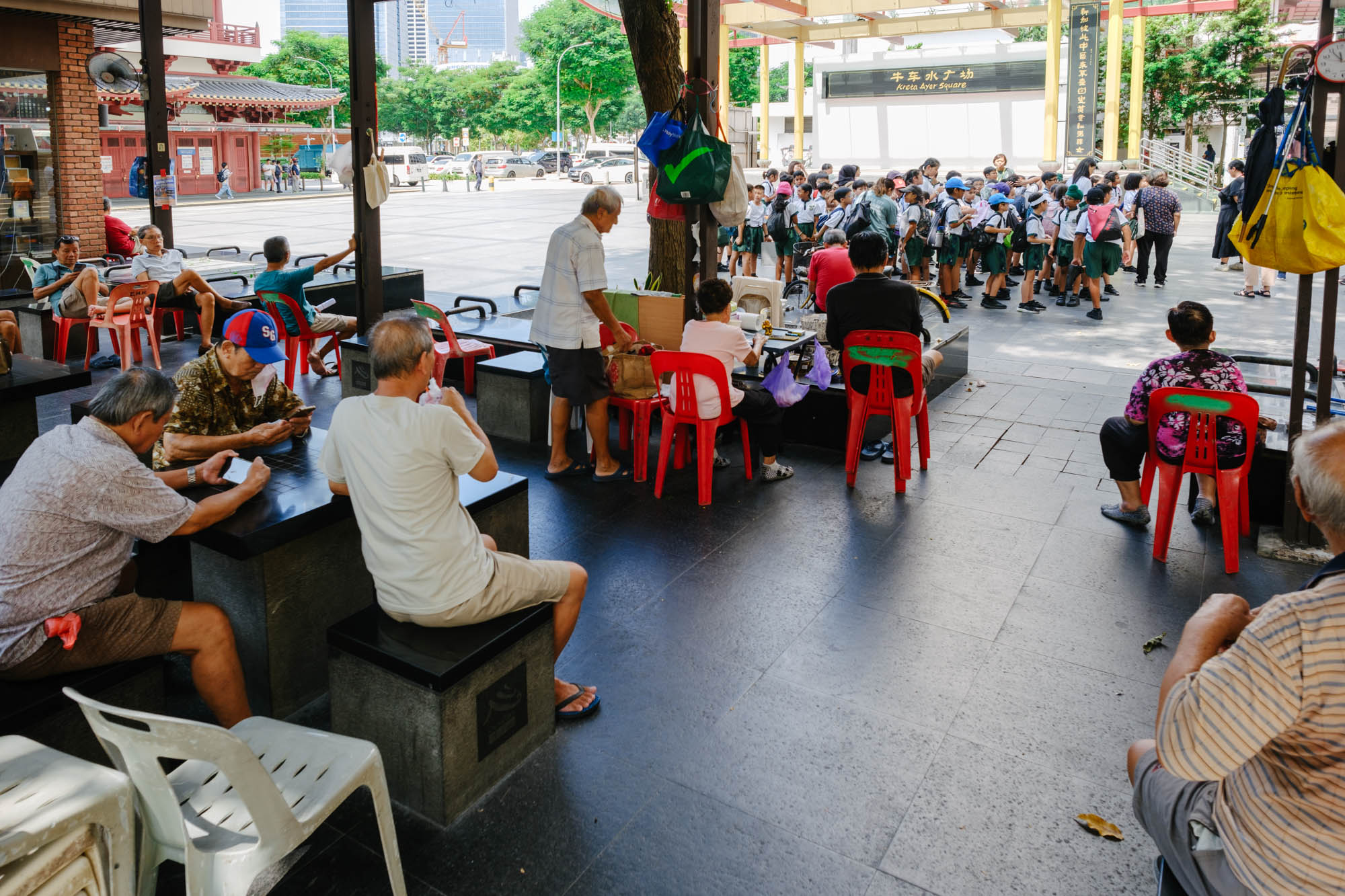
As seen in other historical cities, critics and residents have highlighted how, in recent years, city governance has prioritized the commercial development and tourist appeal of Chinatowns over the interests of inhabitants. While many urban renewal plans aimed to modernize these historic areas, providing critical infrastructure upgrades in the pursuit of collective well-being, they have, in some cases, made Chinatowns vulnerable to real estate speculation and gentrification.
Although profit-driven development is likely to persist, stakeholders involved in planning the future of these areas are asked to more effectively preserve the unique identity of Chinatowns.
Reflecting on these historical decisions reveals the value of learning from past approaches, which were often guided by the presiding values of the time. The challenge lies in fostering informed, inclusive strategies for future development that prioritizes the needs of these diverse communities. Developing software, alongside excellent hardware.
what can customer-facing industries learn from the experience of Chinatowns?
CULTURE. VALUE. Culture is not static; it unfolds daily as a living entity. Past lifestyles and expertise intertwine in the dynamic evolution of syncretic identities. While honoring ancestral roots and way of life is vital, equal attention can be given to the hybrid identities forged by original settlers through interactions with host countries.
The significance of Chinatowns extends not only from their historic roots but into their contemporary role. The unique identity of each community reflects their ability to adapt to their locality, forging a local syncretism that includes new ways of living, hybrid cultures, and novel products.
There is enthusiasm among young adults for preserving culture and participating in activities organized by communities in Chinatowns. In Singapore, for example, a new generation of heritage workers is engaged by public institutions to develop activation programs aimed at attracting a broader audience to local history and culture, ultimately increasing visits to Chinatown.
This rising public interest presents a significant opportunity to further highlight the ‘Chinatown culture’—one that honors heritage while embracing modernization, serving as a space where diverse influences create new identities and models. For instance, the much-debated emergence of modernist buildings and mixed-use developments like People’s Park Centre in Singapore’s Chinatown during the 1970s was groundbreaking for its time. As a vertical reinterpretation of the original multi-ownership shophouse model, People’s Park Centre introduced innovative architectural forms and pioneered locally the strata property business model, allowing for individual ownership of units within a larger complex—thereby achieving diverse agency within the community. The role of agency in shaping evolving identities in Chinatown—expressed through both architecture and community adaptation—can serve as a valuable reference for revitalizing businesses and activities in similar areas. For example, the relocation of street food vendors led to the creation of the hawker center culture, which has been preserved through the efforts of diverse agency among business operators that innovated further. The new wave of entrepreneurs who are going back to Bangkok Chinatown to start businesses there, supporting the existing community.
Similarly, developing innovative programs and fostering collaborations with art galleries and museums can introduce fresh perspectives for reinterpreting cultural narratives. The Kunsthalle in Bangkok, through its engagement with Yaowarat stakeholders, seeks to challenge traditional perceptions of Chinatown—encouraging the community to envision its future without resorting to caricatures of its past. Likewise, the ADI Museum in Milan is uniquely positioned to explore and illuminate the evolving design culture within the Paolo Sarpi district.
Initiatives that leverage the interplay between framework and content help preserve the true spirit of historical spaces, keeping them relevant and engaging for both residents and visitors.
They appeal to residents of the area and the city at large, prompting a rediscovery of the community’s value, not merely as a memory of the past, but as a dynamic and evolving space.
Furthermore, in the era of global travel and a ‘rising China’, such activities could enhance the appeal of Chinatowns for tourists. More than 100 million Chinese citizens made outbound trips in 2024 to destinations that include Southeast Asia. Many of these destinations have prominent Chinatowns that tourists visit at least once. These tourists seek not only nostalgia, but also the novelty of the hybrid culture formed by the diasporic community, a culture that is endemic to that place.
There is space for differentiation.
COLLECTIVE. Chinatown residents’ population – declining over the years – share these neighborhoods with a new transient group of people that includes daily commuting young professionals, frequenters of clans and cultural associations, shop and restaurant workers, recent migrants, and local visitors drawn in by commerce, culture, or convenience.
Then there are tourists. Drawn to the collective narratives of diasporic communities thriving in foreign lands, these tourists are often curious and well-informed. They research deeply, seek authentic experiences, and value stories of adaptation and resilience. They have seen other Chinotowns. To meet their needs, it appears necessary to go beyond surface-level attractions.
The needs, expectations, and realities of these diverse inhabitants overlap and diverge, revealing the complicated and contested nature of modern Chinatowns.
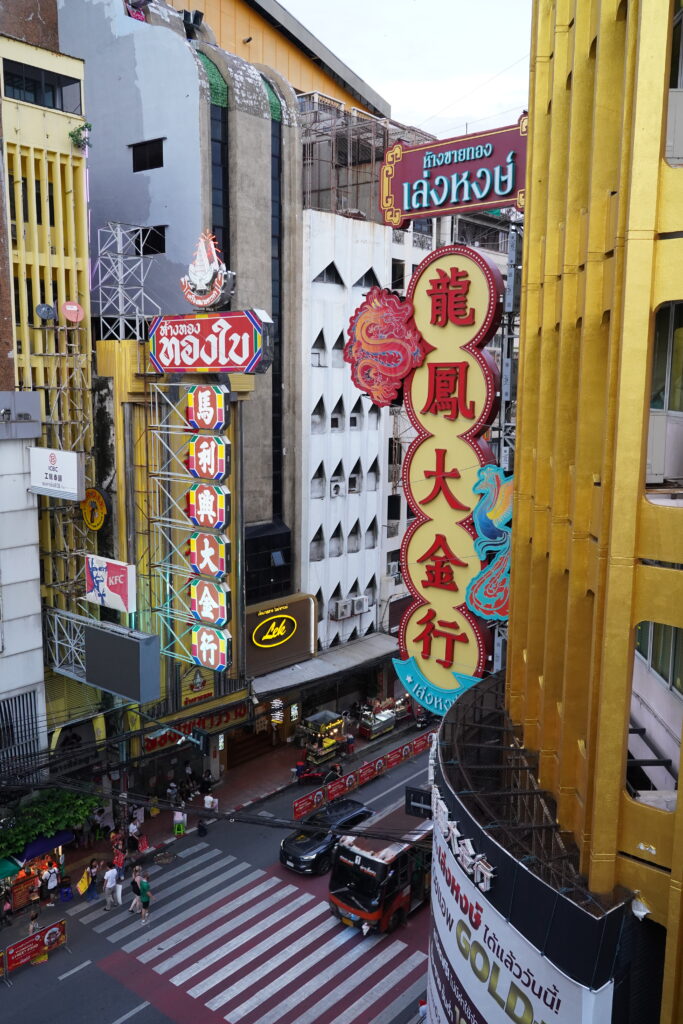
CONTENT. Before their transformation into a globally recognizable brand, Chinatowns were mixed-use, multigenerational environments where people lived and worked. Their layered character supported both the quality of life of communities and the livelihoods of businesses. The aspirations of these residents were largely uniform, oriented around building a better life for their families.
When a community changes, the services, programs, and products provided by businesses need to evolve.
Today, the areas welcome a wider and richer demography. Businesses, therefore, must address the needs of the people in their care to survive.
Many daily-use enterprises such as affordable restaurants, food courts, and street vendors—as seen in the daytime markets in the Yaowarat district in Bangkok or Chinatown complex in Singapore—have developed into hubs for the community. These adaptable developments, with a strong presence of food, accommodate the basic needs of a changing population without compromising their authenticity.
For retail shops, the scenario is more complex. Over the years, some heritage businesses have adapted to the changing community landscape while others have struggled. This is partly due to the relevance of products and services to the collective community.
Some businesses have expanded their wholesale channels, found a way to expand their merchandise to attract new and younger customers as well as tourists interested in exploring a new food culture. They survive because of this multiple audience.
Others no longer appeal to residents but find a niche selling their products to tourists, taking advantage of the gap in the market left by mass-produced ‘souvenir’ merchandise stalls selling low-quality trinkets manufactured elsewhere. However, this approach can expose these businesses to fluctuations in tourist numbers.
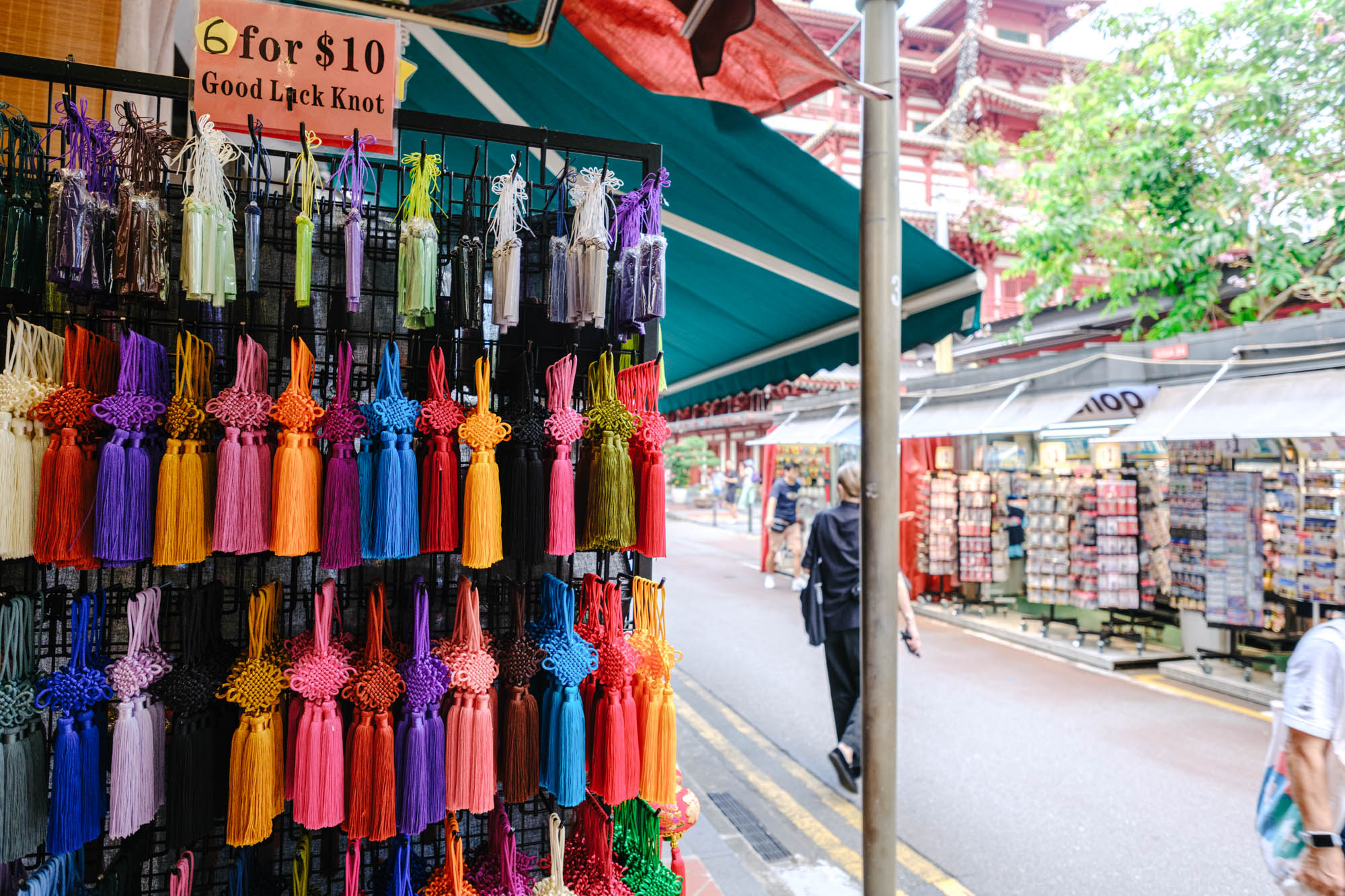
To thrive, business owners need to strike a fine balance between heritage preservation and service to long-term residents and the evolving needs of tourists and visitors to the community. Achieving this involves creating products and services that bridge past and present, staying true to the community’s cultural roots without shying away from reinvention.
INITIATIVES. Despite re-aligning services and products to serve a wider public could in time provide more opportunities to increase sales, running operations in Chinatown for independent retailers remains a challenge. Rents are high, manpower is scarce, and competition from retail chains is strong.
Governments are actively trying to support historic businesses, providing a wide range of training programs to help them adapt to the evolution of retail. Tourism and heritage boards advertise these areas to tourists and locals alike.
The core challenge for Chinatowns is the rising cost of operations, driven by increasing commercial rents tied to market value growth. One strategy to ensure their ongoing vitality is implementing targeted commercial rent controls—focusing on specific areas, streets or types of businesses.
For example, leasing strategies could combine fixed and variable rent structures, charging market rates to chain restaurants and cafes, while offering below-market rates to smaller or strategically important tenants. These approaches could help to maintain the cultural and commercial heritage of Chinatowns by ensuring that those who run and work in local businesses can continue to do so. They also benefit younger operators with strong commercial models relevant to the area, facilitating the implementation of commercial ventures that embody a ‘new Chinatown culture’.
Moreover, through dedicated management, stakeholders could adopt an adapted version of ‘Albergo Diffuso’ or ‘dispersed hotel’ model to manage a stock of venues throughout the Chinatowns. This model addresses the need for space and infrastructure for regular cultural events organized by clan associations and other cultural organizations and ensures that they are accessible at lower rents.
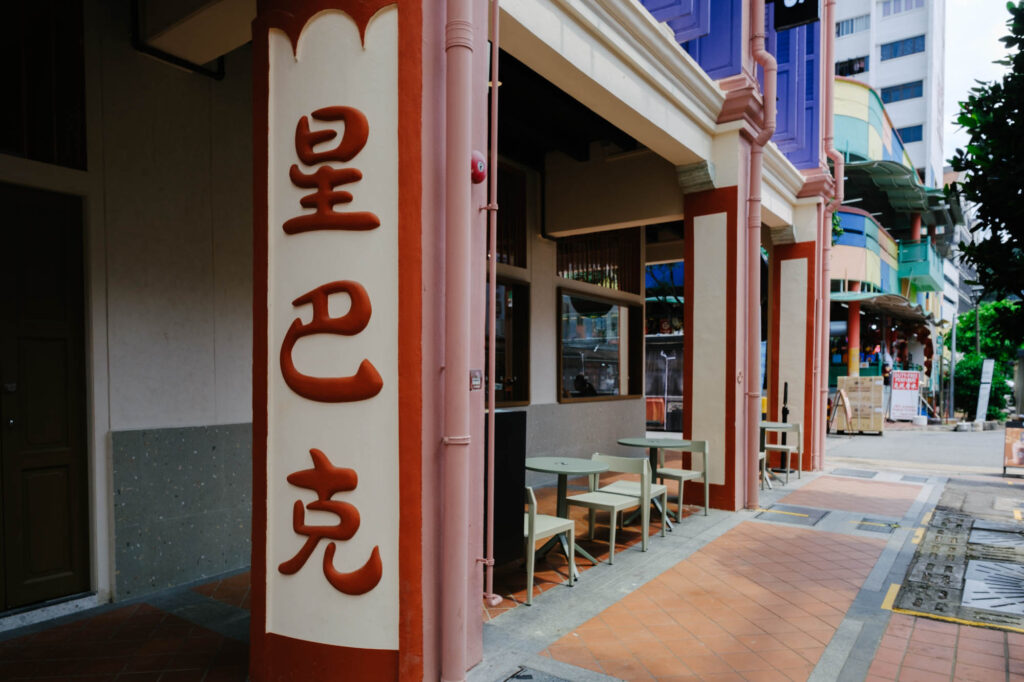
These and similar strategies could enhance a district’s economic stability and accessibility, preserve its unique cultural character, and reduce business turnover (frequent openings and closings).
While today’s economic realities cannot be overlooked, they can be approached in a fluid and adaptive manner, ensuring that local interests remain at the heart of development and that the unique identity of the area endures for future generations.
In the following pages are contributions from a group of business owners and cultural practitioners from Bangkok and Singapore’s Chinatowns.