reflecting on your journey, how do you see a menu as a living plan—one that guides not just flavors but the entire guest experience?
Japan is a country rich in nature. I cherish the blessings of each season and am grateful to eat what nature provides. I always create the food menu keeping in mind that it will become part of our customers’ bodies.
currently, menus seem to be blending into sameness. are you thinking about creating a unique menu?
I’m not particularly focused on differentiating our menu. I’m just searching for a cooking method that I think is best suited to the ingredients.
what risks and rewards have you encountered by integrating personal creativity into traditional forms, and how does it ensure a restaurant’s lasting relevance?
Customers come to our restaurant because they want to experience Japanese cuisine. Japanese people have an image of what Japanese cuisine should be like. This image probably differs according to each individual’s experience, and therefore, for any restaurant, there is a risk that the interpretation of Japanese cuisine each of us offers does not correspond to customers’ expectations and imagination.
Ultimately, I believe a restaurant’s lasting relevance depends on whether we have customers who love and cherish our restaurant.
how do you adapt the menu on short notice in the presence of sudden ingredient shortages or price increases without sacrificing quality or guest perception?
When there are seasonal shortages, we have no choice but to substitute with another ingredient. When prices rise, we will continue to use the product even if it means a loss, but we shorten the period of use.
Currently, Japan is facing a serious problem with rising prices and labor costs, so we are gradually adjusting our prices.
how do you balance a menu’s innovative edges with the comforting familiarity of kaiseki’s ritual?
When we find amazing ingredients, I feel fortunate to be able to share them. “Comfort” is a sensory thing, so it varies from person to person, but I think it’s important to be mindful of the need for distance and space.
how do you manage menu planning as a financial guide—forecasting costs for local sourcing while protecting profitability in Tokyo’s competitive dining scene?
First, instead of thinking about the financial aspect, I think about what I want to express and how much I can give my customers to be satisfied.
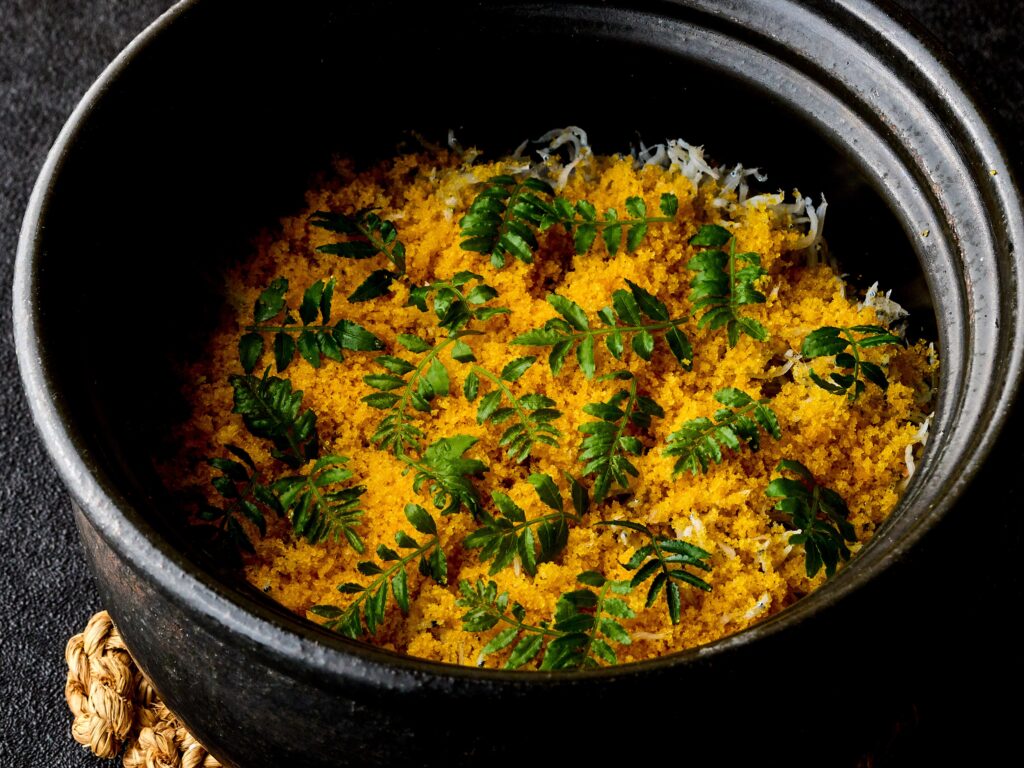
how does your menu planning serve as a cultural map—highlighting local terroir,to evoke a sense of place?
In Kamakura, I try to use ingredients that are easy to find as much as possible. In Tokyo, various ingredients are gathered from all over Japan, so I go to the market and then plan my menu.
how has menu planning evolved into a tool for knowledge transfer, empowering the next generation to uphold kaiseki’s traditions and innovate at the same time?
We learn the cooking methods and seasonings that our predecessors have cultivated through repetition, adding their own sensibilities to the process and passing it on. I believe that by being in the field, each of us acquires and passes on the unique Japanese aesthetic sense and sensibility.