AP4 |
dialogues. tze yong NG
PEARLYN CHONG.
managing partner and co-founder Lo Hock Ling & Co. president Kong Chow Wui Koon clan. SINGAPORE
were you born in Chinatown?
Yes, I was born and lived there for about 13 years.
how long have you been working here?
For the last 45 years.
what does Chinatown mean to you?
It is an area where the community wishes to conserve the Chinese heritage. It has evolved and undergone a facelift over the decades due to government policies.
have you visited other Chinatowns?
Yes. Chinatown overseas are areas where Chinese people may congregate or places to shop for Asian products. The Chinese are generally a minority in other cities.
what is your view of Chinatown in Singapore? What role does it play within the city?
As the majority of Singapore residents are ethnic Chinese, Chinatown here is primarily a heritage area, conserved for its history of early migrants to Singapore. Certain traditional Chinese festivities are held here, and Chinese clan associations, some over 100 years old, are located here.
what role can clan associations and museums play in preserving Chinatown’s heritage, and how would you like government agencies to support these efforts?
Clan associations in Chinatown have rich heritage and historical resources. They would be glad to collaborate with authorities, such as STB, URA, and MOE.
MOE can collaborate with clan associations to develop programmes beyond the classroom, extending social studies or civics curriculum to reach younger generations.
Run workshops to introduce Chinese dialects to younger generations and help them understand their genealogy.
Many of the clan buildings in Chinatown are over 100 years old. However, the clans may lack financial resources to present or manage heritage events or buildings on their own. Relying on volunteer researchers or guides to bring tourists or students to the area may not be sustainable. Authorities can assist by providing adequate grants for their programmes.
please describe your community.
The Chinese community lives and does business throughout Singapore, not just located in Chinatown. In fact, there have been no new residential facilities in the heart of Chinatown in the last five decades. All developments there are commercial in nature, with residential developments located on the fringe of Chinatown.
what roles do clan associations and informal associations play in the management of the area?
Chinatown in Singapore is just a district. The properties therein are privately owned or leased by the government. The overall infrastructure and town planning are managed by the government. Clan associations are managed by Singaporean descendants from various provincial cities in China. Clan associations are community organisations.
what do you think about the evolution of the area?
Chinatown in Singapore has evolved as a destination for tourism. Younger Singaporean Chinese in general are not so interested in Chinese traditions and heritage.
how can Chinatown balance preserving authenticity while offering activities targeting tourists?
An ideal visit to Chinatown should comprise visual and performing art, audio visual presentations, and food and cuisines. In Singapore, most cultural performers and artists are amateurs who are not regularly available due to their day jobs, which is a missing feature in Chinatown. Rental costs of pop-up stalls can be too expensive for artists such as calligraphers, finger painters or other visual arts. Buskers playing Chinese music are hardly seen in Chinatown areas, possibly due to concerns about obstructing the five-foot ways. If there are air-conditioned or sheltered areas provided for these artists to showcase their skills, it will build a more lively Chinatown. Traditional Chinese street food and snacks served in an air-conditioned food court are popular attractions. Nevertheless, unlike the former food street, vendor costs must be reasonable to be sustainable.
how do you adapt to modern requirements while preserving Chinatown’s heritage?
Many Chinese community groups will eventually adopt English as a language to help the younger generations learn about their Chinese heritage and traditions.
what is your involvement in plans to enhance urban conservation efforts in the area?
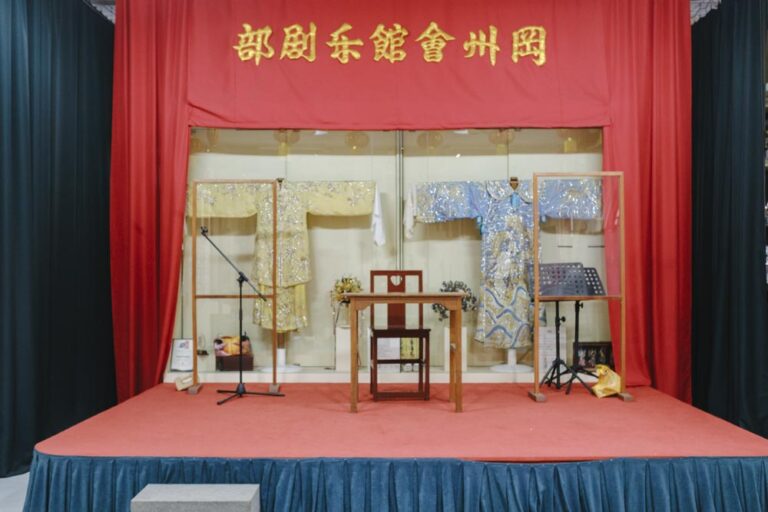
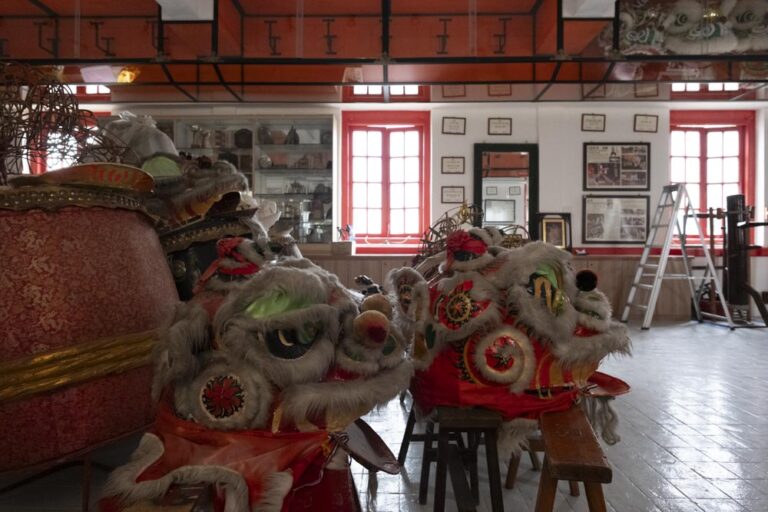
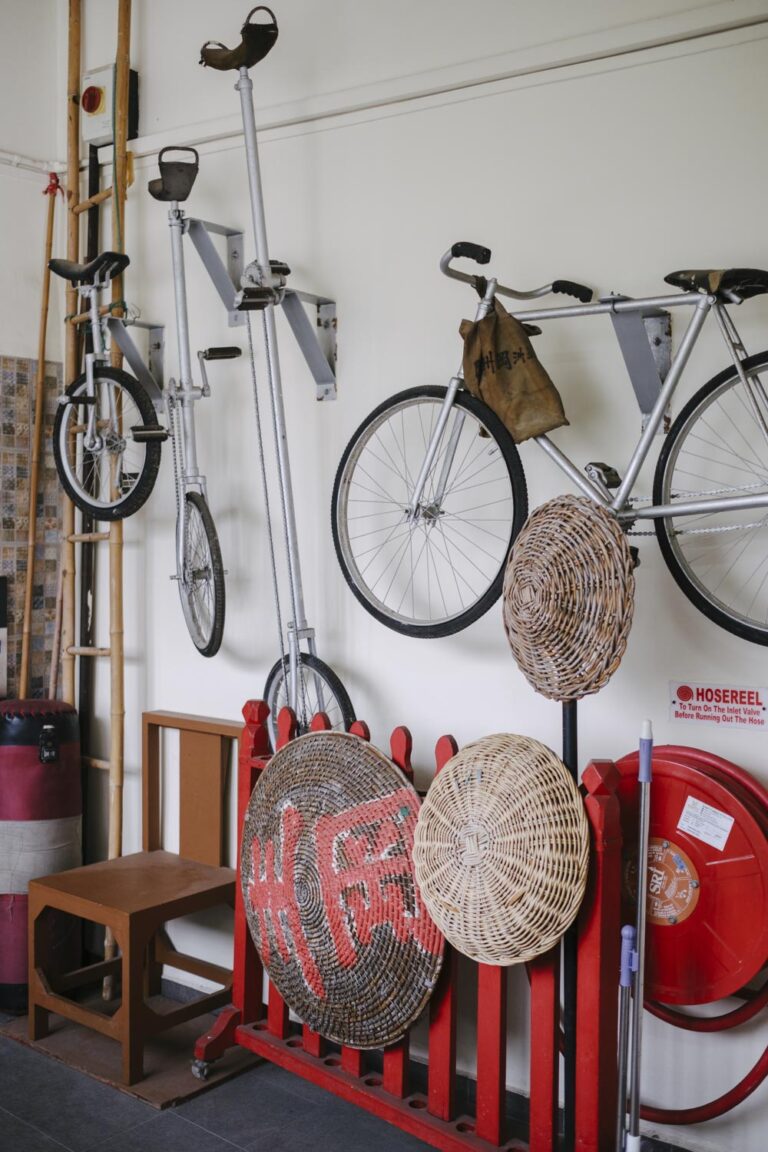
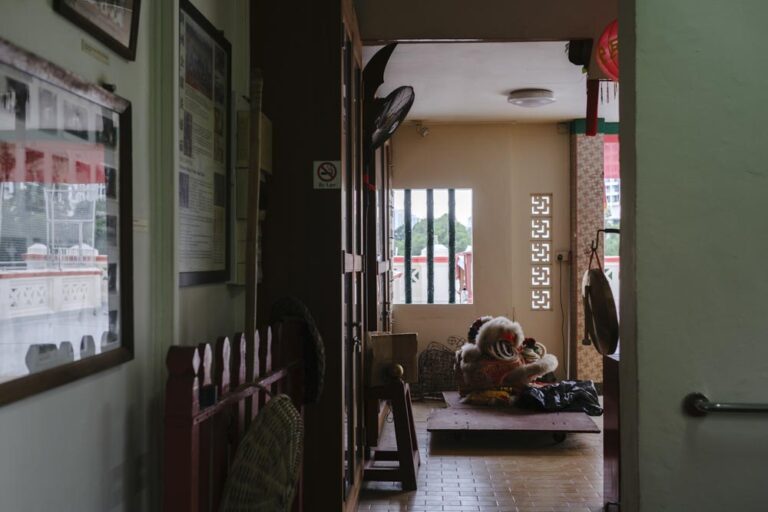
Our clan association owns a 100-year-old building and maintains it as a living museum under the National Heritage Board for the public.
what kind of initiatives do you organize or could be organized to attract back to Chinatown residents, in particular younger people?
We host Chinese traditional cultural activities held in Chinatown venues, e.g. Cantonese operas, Chinese martial arts, Lunar New Year, Dragon Boat Festival, Qixi Festival, Mid-Autumn Festival, etc.
Authorities should promote heritage events more creatively in Chinatown. For example, build a suitable arena for heritage events instead of relying on makeshift tentage – currently, it is an open-air space subject to rain or hot sun. Venue rental is also very costly. Traditional cultural events, food festivals, and heritage workshops should be promoted as regular features in Chinatown. Currently, the profile of Chinatown is shaped mainly by the business community – shop owners driven by profitability. Hence, Chinatown will no longer be a heritage site eventually.
are there changes in the type of businesses that have a presence here?
Yes due to the influx of new migrants from China. Chinatown was originally a Cantonese area for early migrants, but that is no longer the case. The profile of F&B establishments is now more varied.
are there any particular type of businesses you would like to see in the area?
I would like to see the government develop more facilities for the development of Chinese traditional culture and the arts.
how do you envision the future of Chinatown in Singapore, considering the pressure of tourism, development and change in residents’ composition? Chinatown in Singapore will become just another tourism destination. There are currently some small museums. It will be good to incorporate live arts and cultural activities in Chinatown to make visits more meaningful for tourists. Now we only see a lion dance or opera performance occasionally or only on a video presentation.