AP4 |
dialogues. kenry PEH
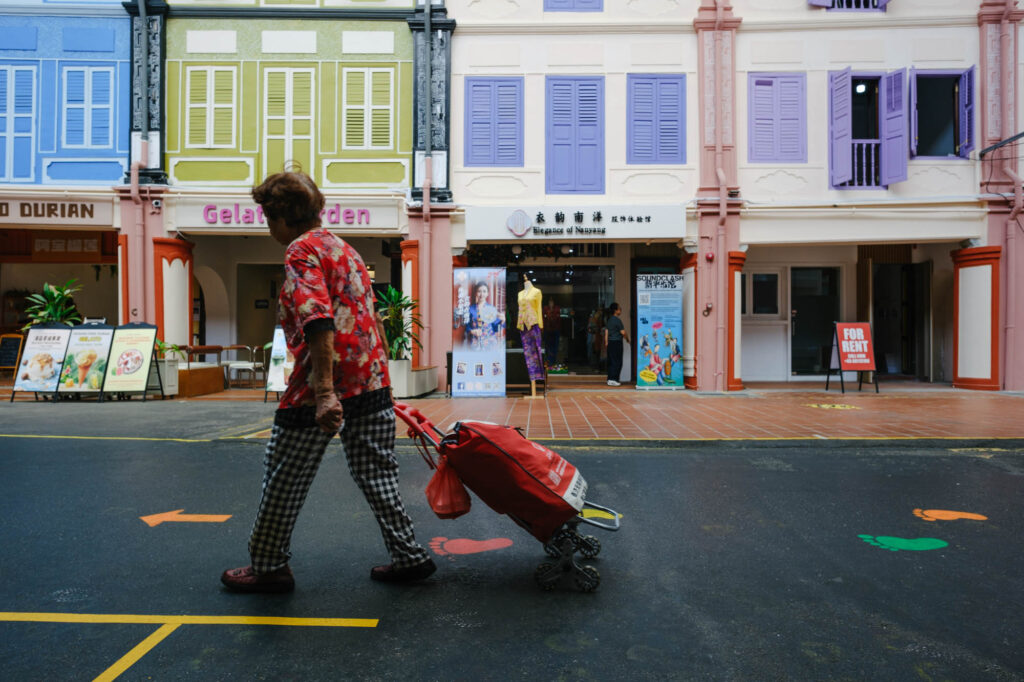
An enclave of Chinese and Indian migrants attracted by the prospects of the city, Singapore’s Chinatown was formally identified as a residential area for Chinese settlers by the 1822 British colonial authority as part of the master plan to serve economic and administrative purposes. By the end of the century, the population—91% Chinese—represented a third of the municipality, or over 66,000 people.
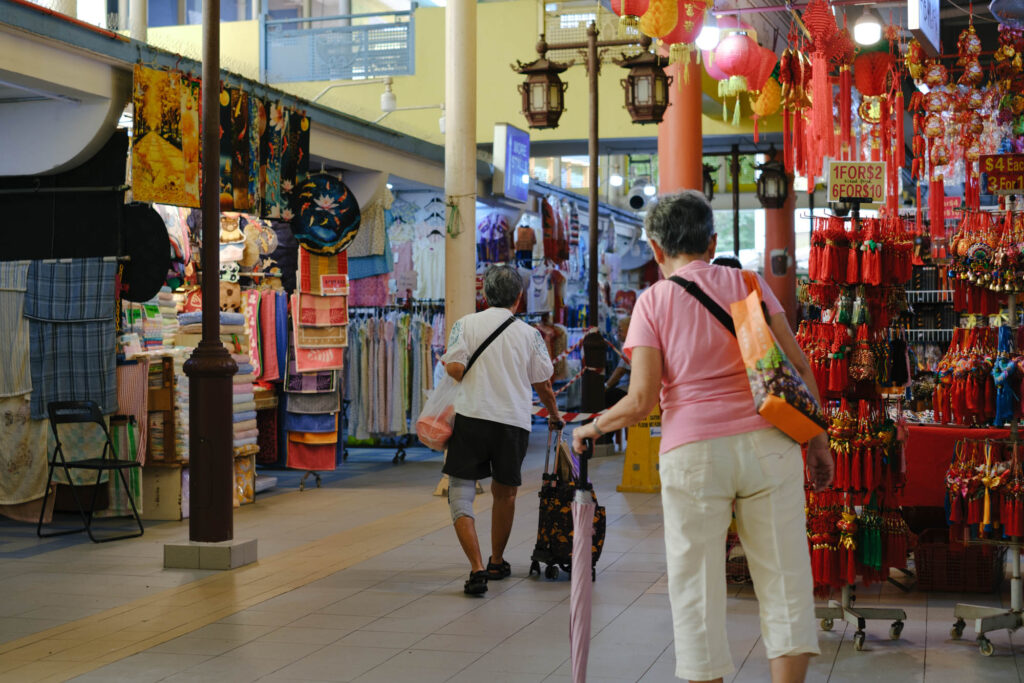
Following Singapore’s independence in 1965, state-led urban planning and modernization efforts began to reshape the area, aiming to address overcrowding and decay caused by rapid city growth. In the 1980s, government-initiated land acquisition and redevelopment policies involved relocating residents as part of a broader urban renewal strategy. Street hawkers were relocated to the Kreta Ayer complex – Chinatown complex – during the same period. By the end of the 1980s, Chinatown was designated as a protected heritage area under the conservation plan. By the 2000s, revitalization efforts rebranded the area into the Chinese cultural and tourist hub it is today.
In 2024, the resident population of Chinatown reached 10,490 people, mainly consisting of long-term residents living in HDB (Housing and Development Board) dwellings. Planned developments in Outram Park are expected to increase residential supply, and together with the revitalization of People’s Park Centre, will attract more foot traffic and enhance commercial dynamism.
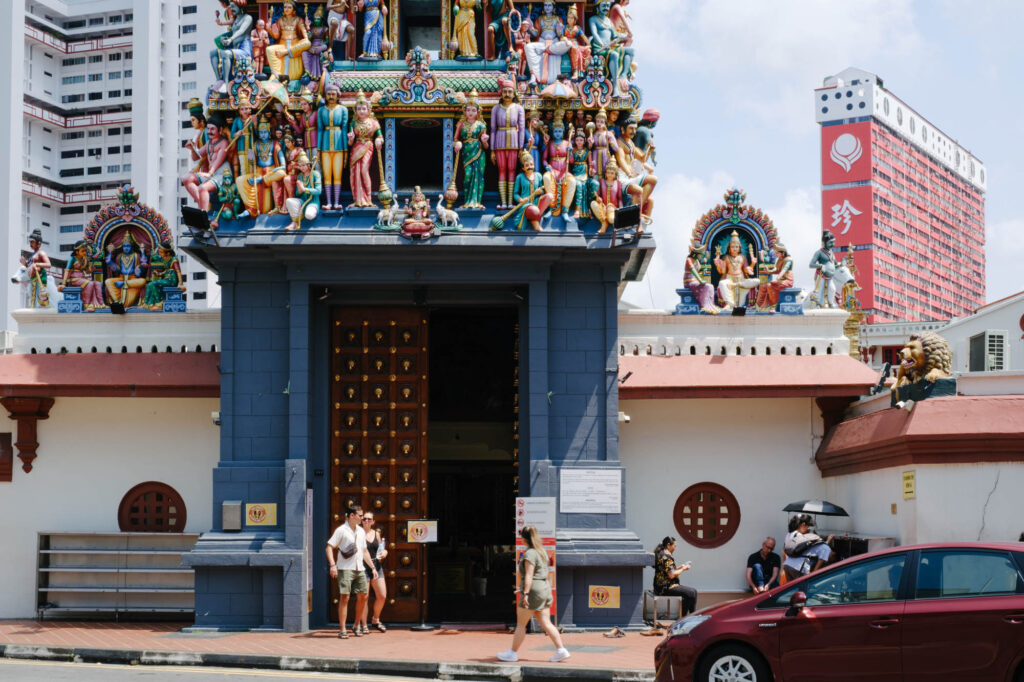
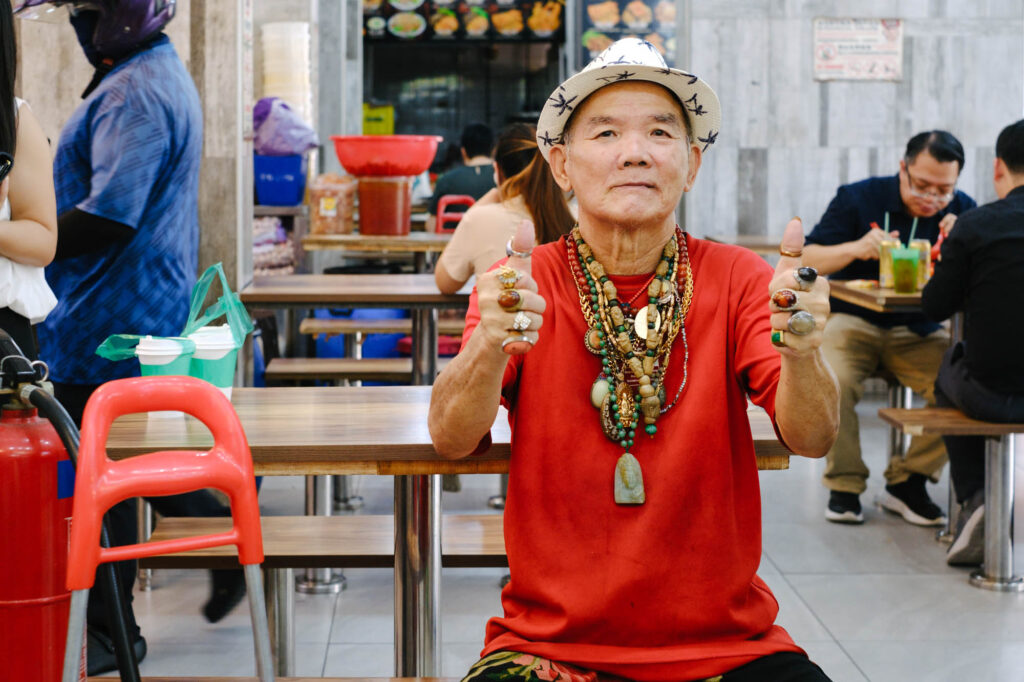
In terms of tourists, In 2024, the largest groups of international visitors to Singapore originated for a 34% from Southeast Asia– home of about 80% of the global overseas Chinese diaspora – and Greater China (23%). Notably, 32% of arrivals stay between two and three days, indicating a preference for short, immersive visits. The demographic profile of these tourists is shifting, with 42% aged between 24 and 44 years old.. Many travel independently or in small groups, and there is a notable increase in solo travelers—particularly women—who are seeking authentic cultural experiences.
Chinatown remains a major destination: over half of Chinese tourists and more than 40% of Southeast Asian visitors include Chinatown in their itineraries, underscoring its continued relevance as a cultural and experiential hub within Singapore’s tourism landscape.
ORGANIZATION.
The governance of Singapore’s Chinatown is shaped by the coordinated efforts of several state agencies, including the Urban Redevelopment Authority (URA), Singapore Land Authority (SLA), Singapore Tourism Board (STB), and National Heritage Board (SHB). These bodies provide regulatory oversight, conservation guidelines, and strategic direction for the district’s development and heritage management
At the community level, clan associations and grassroots organizations represent the interests of long-term residents and non-business groups, advocating for the preservation of social ties, cultural practices and community well-being. These organizations are supported by a broad range of people, both residents and non-residents. Impressively, a large number of young adults.
On the business side, the Chinatown Business Association (CBA) promotes and supports the interests of Chinatown stakeholders, enhances business practices, and curates cultural programming that drives tourism and public engagement through marketing and promotional efforts. In 2023, CBA was appointed as the master tenant of Smith Street, one of Chinatown’s most prominent streets – that has in the past undergone to several revitalization efforts – with the aim of unifying programming and leasing, fostering a curated experience that attracts traffic year-round.
Despite the layered approach to managing the area, critics argue that most of the governance focus remains aimed at external audiences—specifically, tourists and short-term visitors—rather than addressing the needs of long-term residents and traditional businesses. There is a growing consensus that organizational strategies need to shift to tackle the evolving challenges facing the Chinatown community.
In response to these concerns, the Singapore government has recently established a dedicated task force to develop policies, schemes, and programs that support business growth in Chinatown. This initiative includes identifying heritage businesses and exploring ways for them to benefit from various government support measures, showing a timely recognition of the need to reinforce support for both the economic and cultural vitality of the area.