DC HILLIER.
writer. designer. author of Mid Century Modern. MONTREAL.
THE ENDURING CRAFT OF MID-CENTURY MODERNISM
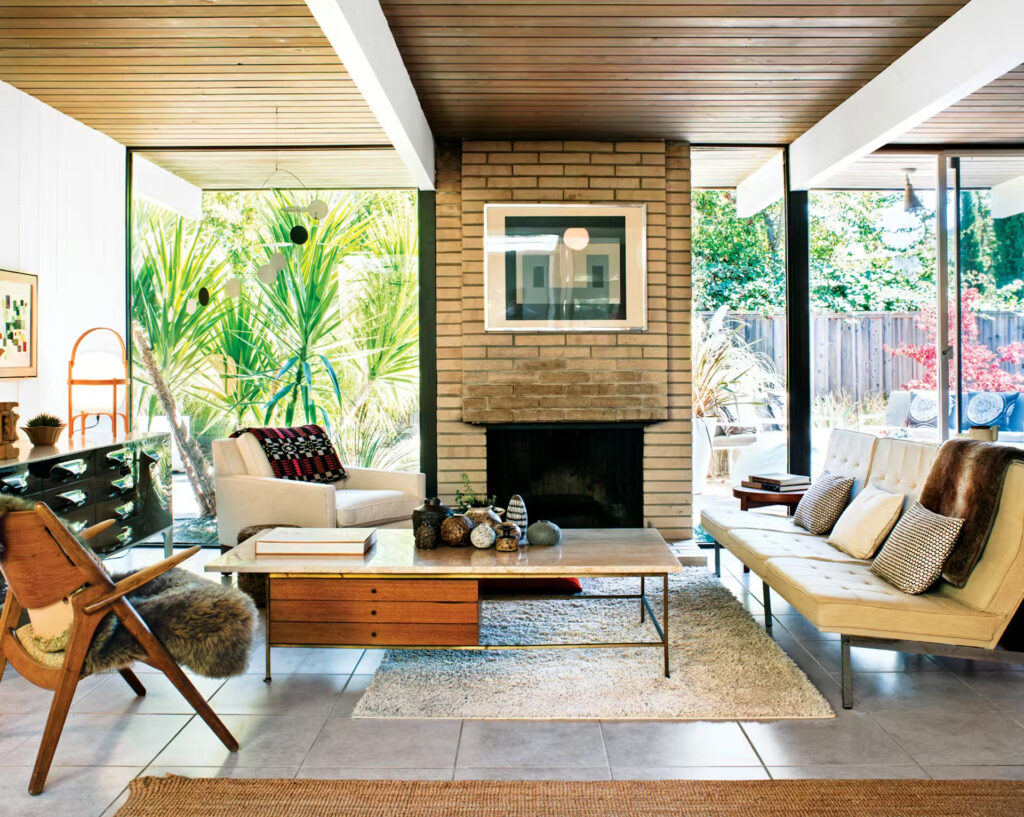
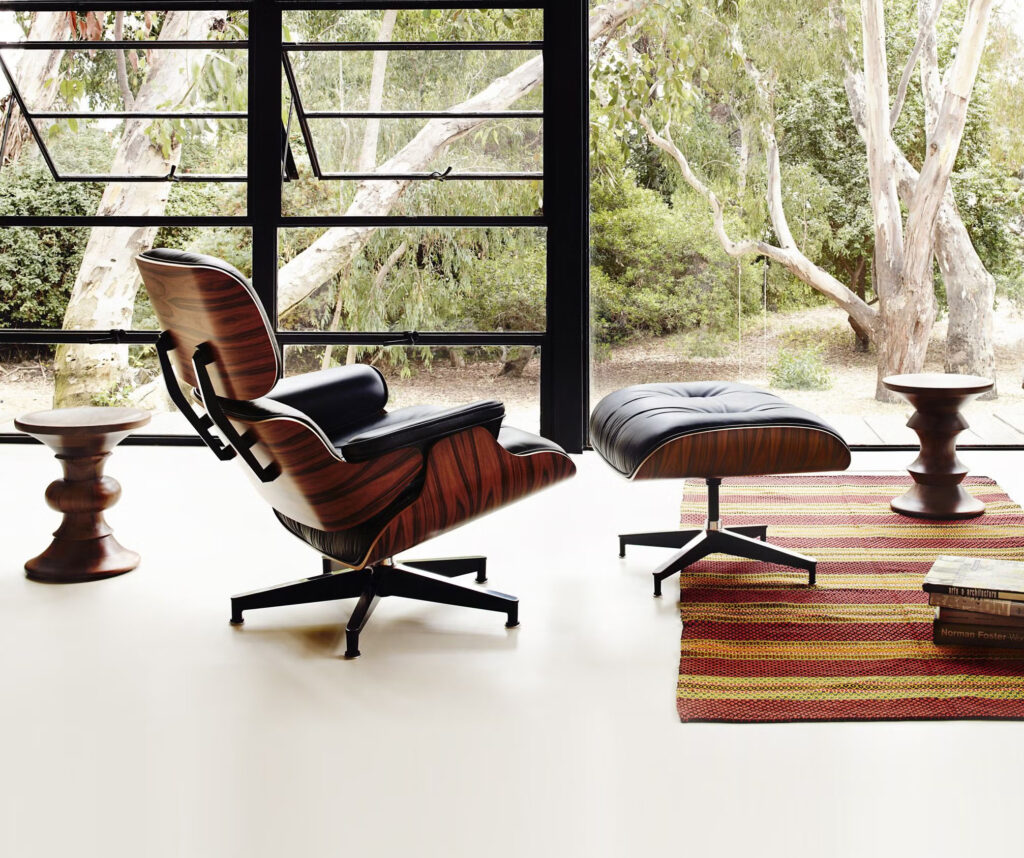
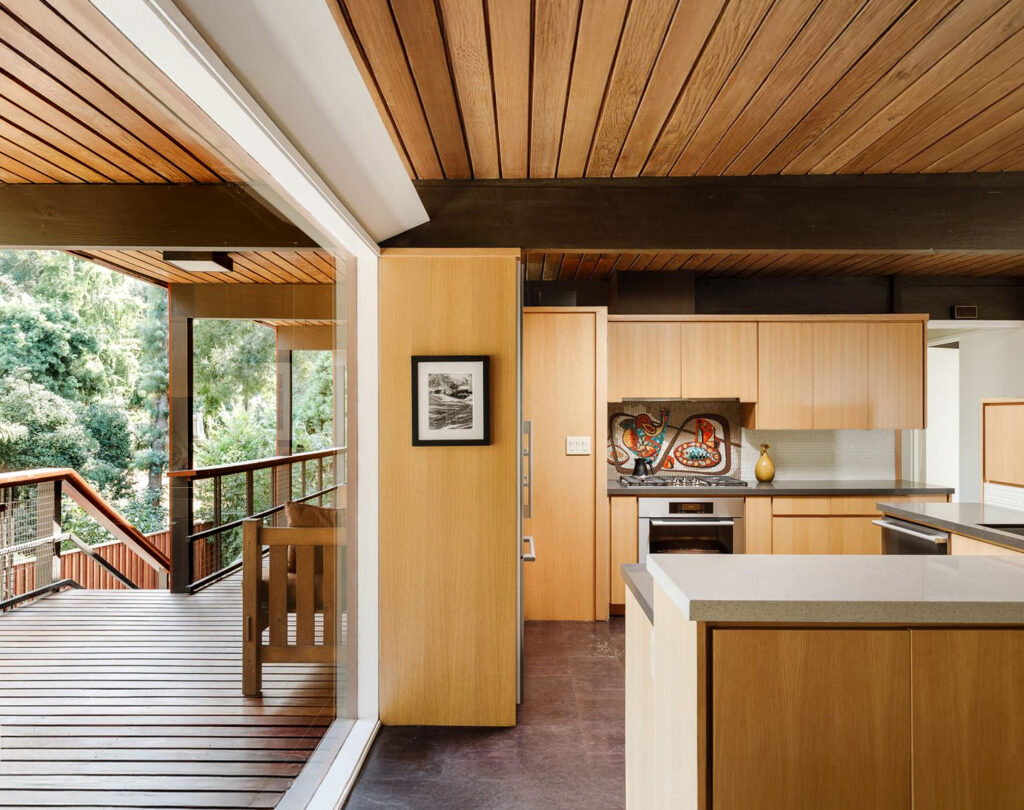
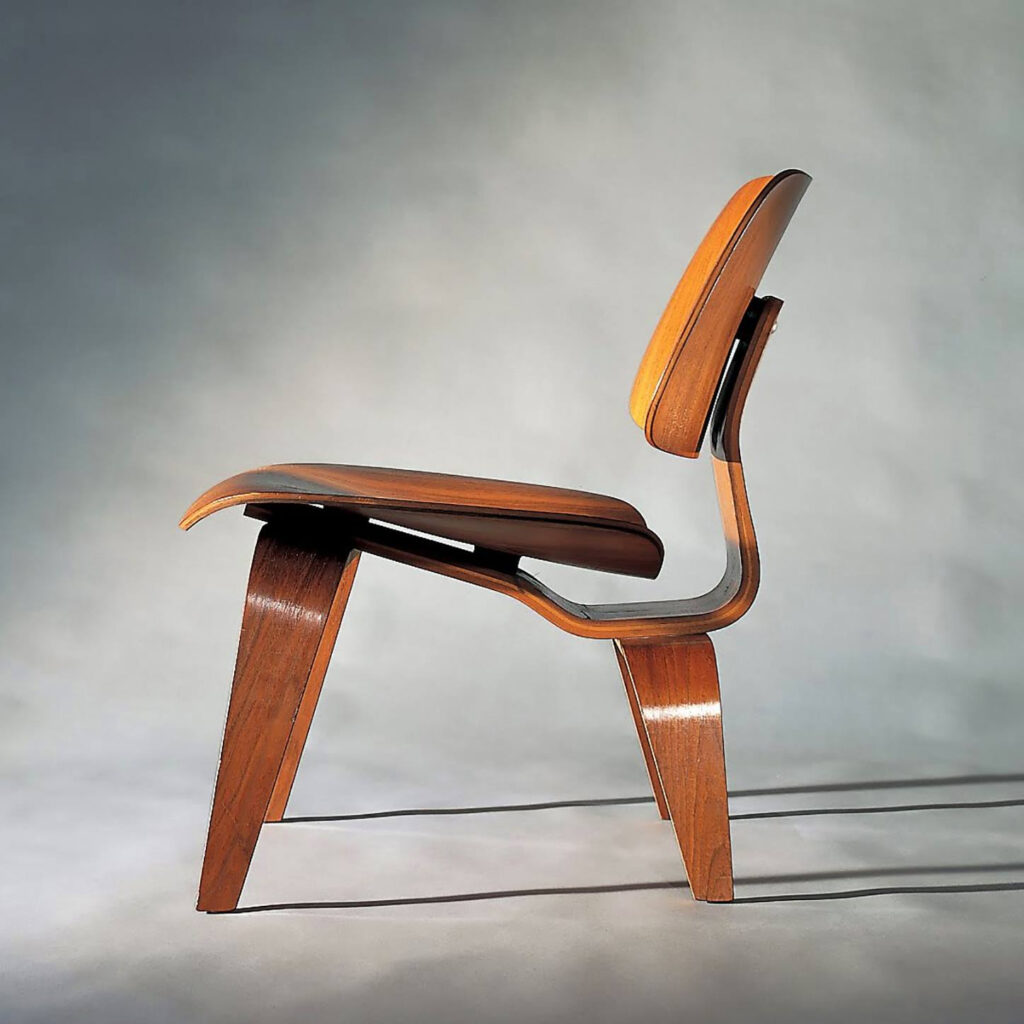
Mid-Century Modern architecture is often reduced to a visual shorthand: clean lines, open plans, and iconic furniture silhouettes. Yet the true essence of the movement was never just aesthetic. To be well-crafted meant integrity; a respect for materials, for human scale, and for the act of making itself. Craft was not ornament but rather the invisible backbone of design. Post war modernism was as position of equity in that well-designed and well-made objects should be available to everyone. Charles and Ray Eames bent plywood not to demonstrate skills and techniques but to democratize beauty. Richard Neutra’s homes blurred the line between indoors and outdoors, not as a gimmick but as a philosophy of living. Florence Knoll’s corporate interiors were rigorous, elegant, and humane. These designers embodied the conviction that design should be both beautiful and useful, and above all, enduring.
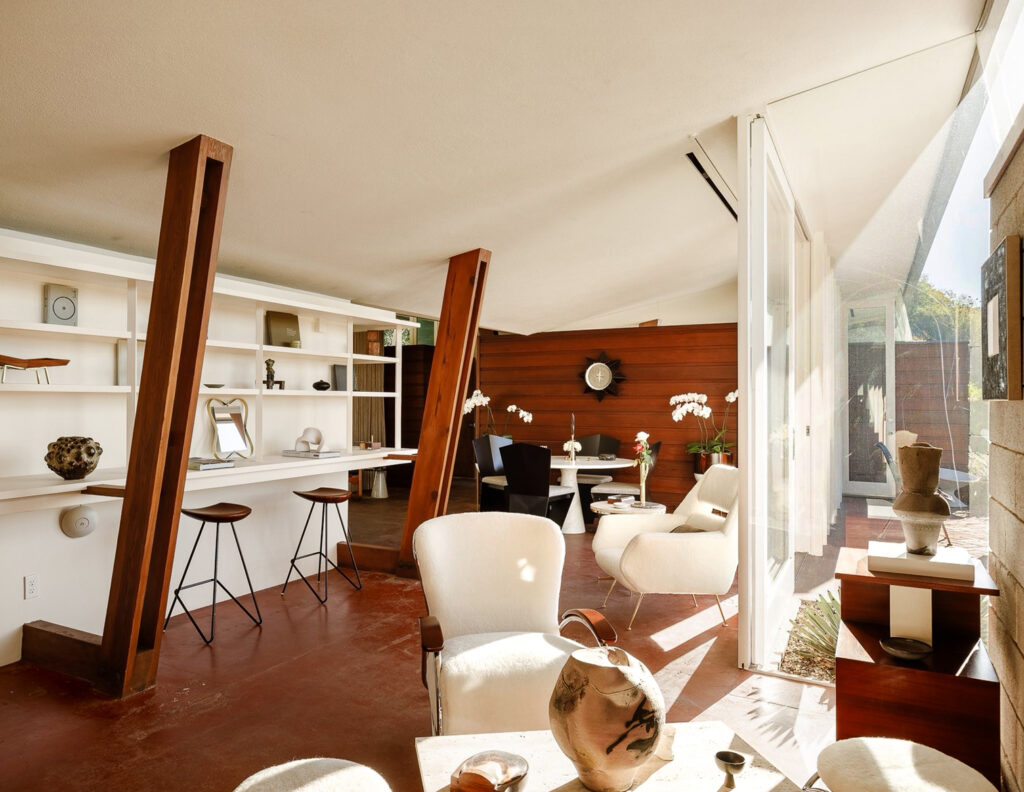
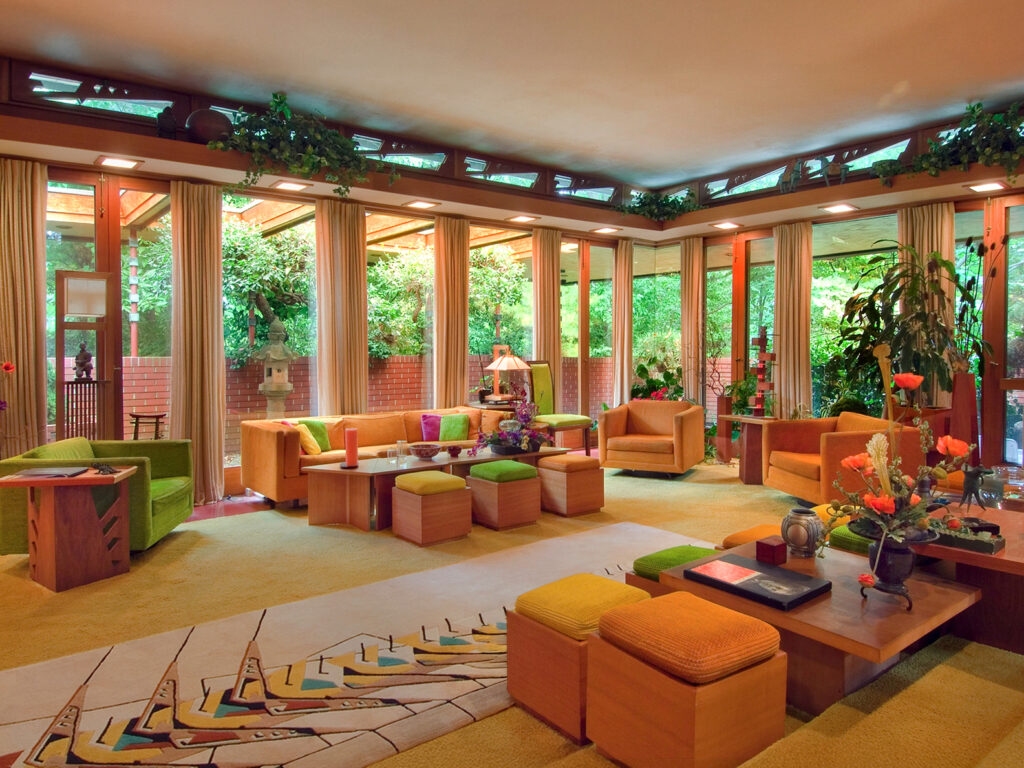
Material honesty was central to this ethos. Steel was celebrated for its strength, wood for its warmth, and glass for its clarity. Nothing was disguised. Joinery and detail mattered because they revealed the hand of the maker and a testament to skill. A chair or, even and budling, could express its own logic and function through the revealing of it build and support structures. And above all, craft was about human scale. Homes were intimate, warm, and livable, even when they were modernist experiments. The designers of post war periods emphasized the credo that design done well is one that respected the truth of materials and the dignity of the human experience.
The relevance of craft today is not just cultural, it is also environmental. A well-crafted chair from 1955 is still in use today, while fast furniture is destined for landfill within five years. Post-war economies demanded efficiency, and designers innovated with plywood, molded plastics, and modular construction to maximize output with minimal waste. Many mid-century homes incorporated natural light, cross-ventilation, and thoughtful siting long before ‘green building’ was a buzzword. Craft was sustainability before sustainability had a name, and its lessons are urgent now as climate change forces us to rethink disposable design.
Walk through any global city today and you’ll see the problem. Anonymous glass towers dominate skylines, efficient but uninspired. Whether in Dubai, Toronto, or Shanghai, the skyline is interchangeable, erasing the individuality of place. Architecture has become a commodity, designed for investors rather than inhabitants, resulting in a lack of emotional connection. The homogenization of architecture is eroding cities identities. Craft, by contrast, insists on specificity – on buildings that are a reflection of their place and their people.
This is why ‘well-made’ resonates now. Climate change demands that we rethink disposable design, and craft is inherently sustainable. On the other side, people crave authenticity, and a hand-finished wood surface or a thoughtfully proportioned room speaks to our need for connection and a s sense of place. Though well-crafted design may cost more upfront, it pays dividends in longevity, reduced maintenance, and retained value. In an age of crisis, craft is not indulgence, it is necessity.
The mid-century masters remind us of this. Charles and Ray Eames revolutionized material efficiency and democratic design with their molded plywood chairs. Richard Neutra harmonized homes with nature, using craft to blur boundaries between indoors and outdoors. Florence Knoll elevated corporate interiors with a rigor that balanced elegance and utility. These figures remind us that craft is not nostalgia. It is a living principle, ready to be re-applied.
Preserving mid-century buildings is not about freezing time. It is about safeguarding lessons in craftsmanship. These structures embody values worth carrying forward. They teach us how to design with integrity, efficiency, and humanity. Preservation maintains the uniqueness of cities, resisting the tide of global homogeneity. It is awareness, a recognition that the past has something urgent to say to the present.
To be ‘well-crafted’ in the mid-century was to design with respect for materials, for people, for place. It meant creating something that would endure, not just physically but emotionally. This ethos is more relevant than ever. Preservation is not about nostalgia. It is about carrying forward values that matter. By protecting modern architectural heritage and embracing its lessons we can resist the lure of disposable design and reclaim inspiration in our built environment. Craft is not a relic; it is a roadmap.