could you please share a short introduction to yuki’s table — where it is, what it is, how many guests typically attend a class, and how long you have been running it?
Yuki’s Table is a lifestyle atelier established in 2016 in Sai Kung, a peaceful, green corner of Hong Kong surrounded by nature and the ocean. Far from the hustle of the city, we offer more than just cooking classes. We create a warm space where guests can learn the joy of simple home cooking, discover hand-crafted ceramic ware, and most importantly, connect with like-minded people. At many cooking studios, people just leave without talking to each other after learning cooking. We truly value the connection and sense of community that grows here.
how did the project begin? what was the original vision, and has that vision changed since you started?
i began in the small community where I live — a simple wish to share the heartfelt joy of Japanese home cooking with those who truly love it. What started as a cooking class into something deeper: the beautiful coming together of cooking and human connection. I discovered an unexpected portal of joy I never imagined when I first began.
Connecting like-minded people has been a true upgrade to life — a gentle reminder of how nourishing it is to gather, share, and belong.
how would you describe your core engagement model — culinary education, hospitality, community, wellbeing, reciprocal relationship between host and guest, or something else? please describe it in your own terms.
My core engagement model is rooted in authentic hospitality as a catalyst for personal transformation and shared joy.
It’s not just culinary education or community events—it’s a reciprocal relationship between host and guest, built on loyalty, honesty, and vulnerability. I create spaces – workshops, new places, ongoing series- where people feel safe to show up exactly as they are, share their passion for cooking, and receive genuine support to embrace and evolve their lifestyle. In every interaction, I aim to nourish not only the body and skills but the soul—through honest feedback, vulnerable storytelling. This turns one-off experiences into lifelong journeys of growth, connection, and fulfilment.
what a guest experiences at yuki’s table includes the session structure, learnings, shared moments, offerings, and takeaways.
here, a guest’s experience would include the gentle flow of the session, meaningful learnings, shared moments around the table, and beautiful little offerings that they can take home with them.
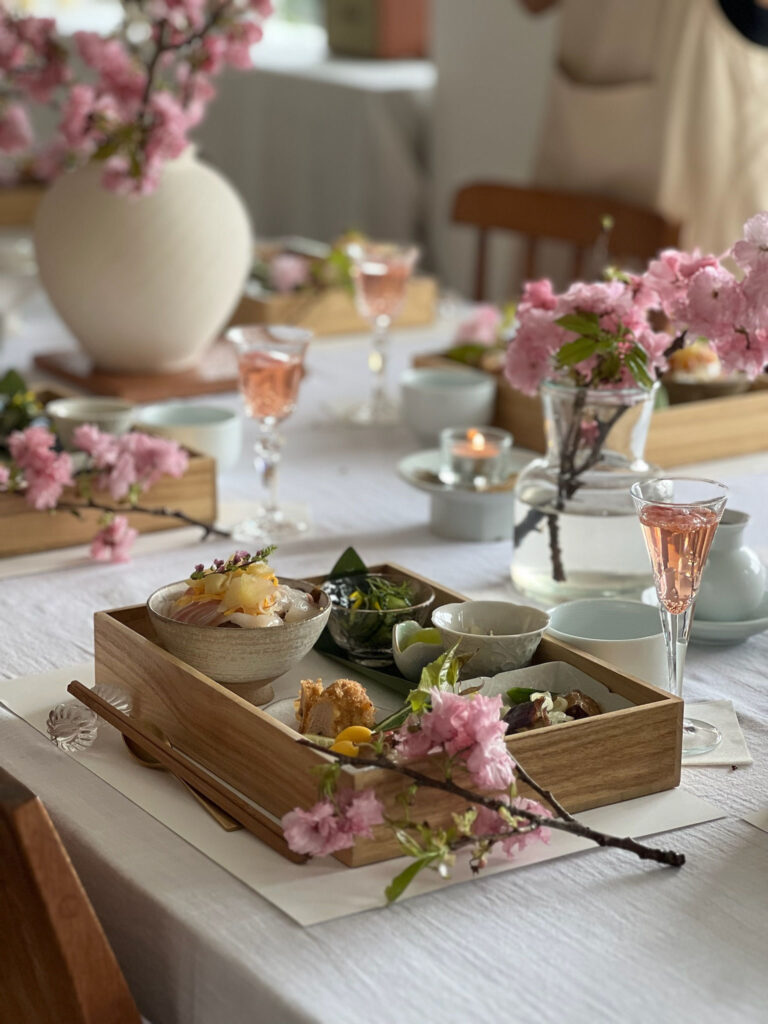
Participants leave with new skills to bring joy to their own cooking at home, along with ideas for simple table settings and home decor — especially using seasonal flowers — that help them enjoy everyday life more fully. Above all, they carry the warmth of endless meaningful conversations with the wonderful people who gathered with them.
articles about your activities described your model as one where guests “learn and serve” — they cook with you and serve each other. can you say more about why you structured it that way and what difference it makes?
I wanted to truly value the part where people come together to create the communal table. It feels tasteless and empty if guests just learn cooking techniques and then leave. That’s why I structured it so everyone cooks with me and then serves each other. This implies more work and effort — from the prep to the flow of the evening — but I love what it creates. It turns the class into a deeper experience than just a cooking lesson. Guests become part of the hospitality itself. They share the dishes they made together, talk, laugh, and connect around the table. That moment of serving and being served builds real community and reciprocity. It makes the experience warmer, more meaningful, and much more memorable.
how does yuki’s table sustain itself — is it your primary work, do classes run consistently, and what role does word of mouth or social media play in attracting new guests?
we run 3–4 classes a week. It is not easy to hold this many classes, as it comes with long hours of preparation and high pressure to constantly develop new workshops and recipes. In addition, I also handle flower and table design.
That said, it means we have enough students — including both regulars and new ones — to sustain this many classes and keep our brand going, and I really appreciate it. I have to be very honest with you: I am not a big fan of social media because of its overwhelmingly strong algorithms, but it is powerful and important for people who need us to be able to find us.
what proportion of any class consists of people who have cooked with you before? what do you observe about people who return, and why do they return?
About 90% of the guests who join one of our classes return to take others with us.
They come back because they truly feel the value of what we offer. For many, cooking becomes a joy again. Others return to give themselves the gift of being fully present, to step away from the busy pace of Hong Kong life, or simply to enjoy this gentle, intentional way of living that feels real and right for them
what do guests say or show you is the most valuable aspect of visiting yuki’s table — whether it’s the food, the technique, the company, feeling cared for, a break from their usual routines, or something else?
We often receive warm messages from the students. The most valuable aspect guests highlight is the feeling of being cared for and loved in a warm, inviting space. Many opened up and shared their own life story at the communal table and sometimes we shared the tears being emotional. Everyone wants to love and be loved. When we feel loved, we can open up to be honest and be real.
can you describe the types of people who attend your dinners —and whether, and how, you tailor the experience based on who is present?
The people who join our classes and dinners are those who, rather than chasing brands, truly value a thoughtful lifestyle — this is at the heart of our concept.
They seek to enjoy life in a genuine, low-key way. So we keep things simple and meaningful: cooking with seasonal ingredients, honouring the natural rhythm of the year, and sharing approachable recipes they can get excited to recreate in their own kitchens. Above all, we love bringing these everyday pleasures to life with the wonderful people who gather with us. We take the work seriously as substance, not only as aesthetics
do you stay in touch with guests after their class? in what form — and what kind of relationship continues beyond the kitchen?
Absolutely. It happens very naturally and effortlessly — we often become good friends who share the same values. We continue to meet for dinners, ceramic workshops, lifestyle events, and more. Over time, we share vulnerabilities and deepen the knowledge of each other . The beauty of it is that we’re all from different backgrounds and age groups, and it seems the students who met through our workshop also become friends afterwards. I absolutely love seeing this happening.
how does digital engagement — instagram, whatsapp, your website, messages between sessions — fit into the relationship with your guests? is it part of the experience, or just the booking layer?
It definitely gives a more personal touch. Many students privately message me with questions or small talk, which creates a more personal connection.
beyond the food itself, what do you think your guests are looking for when they come — and what do you think they actually find?
Beyond the food itself, our guests are looking for a sense of belonging and a gentler way to experience life — a quiet escape from the rush, where they can slow down, reconnect with nature’s rhythms, and feel truly at home.
What they actually find is warmth, presence, and a deeper appreciation for the everyday: meaningful conversations around the table, the joy of creating something simple and beautiful with their hands, and the quiet satisfaction of leaving feeling lighter, more grounded, and genuinely nourished in both body and spirit.
are there times during a class when you notice the level of engagement changing — for example, when strangers start to connect, when someone begins to relax, or when something shifts in the room? what factors contribute to these moments, and is it possible to intentionally create them?
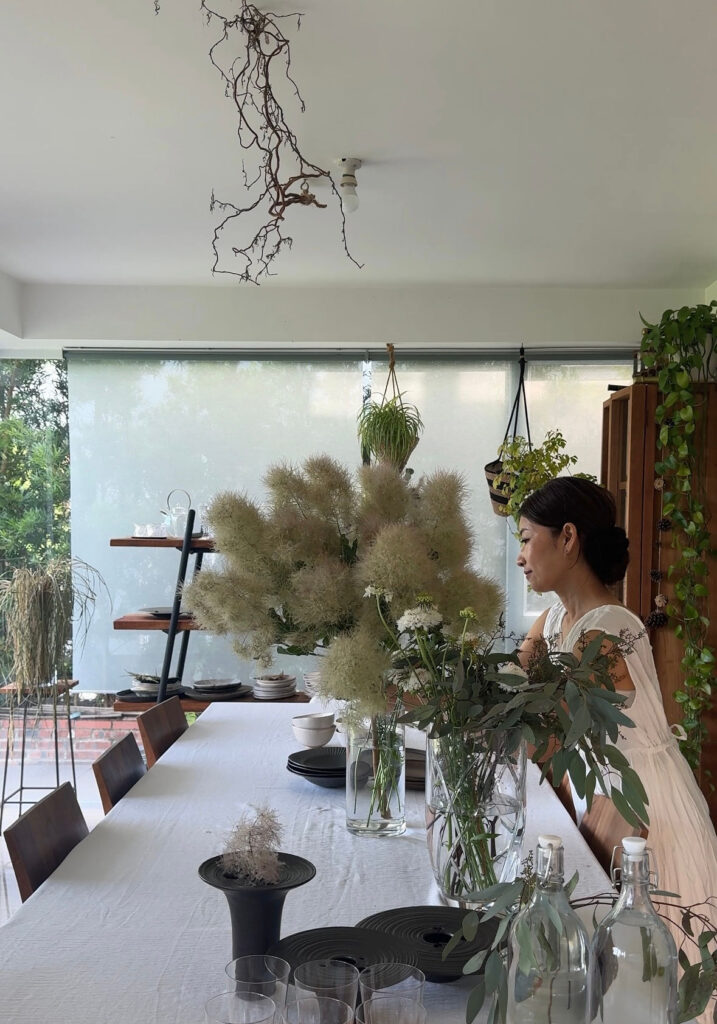
Yes, these connections can happen naturally — and we create them intentionally. We put our heart into crafting the warmest, most inviting atmosphere possible. I’ve designed the space to feel like a true home kitchen and dining area — intimate, private, and welcoming, so every guest feels genuinely invited and at ease.
Many arrive quietly, sometimes a little nervous — especially those who come on their own — and we truly appreciate their courage. Yet as they begin cooking together, surrounded by beautiful seasonal decorations, fresh flowers, and the aroma of good food, the warmth opens them up. Strangers quickly become companions, sharing laughter and conversation. We all need spaces like this.
have you collaborated with other practitioners, hosts, or organizations — restaurants, wellness practitioners, cultural institutions, community groups? what motivated those collaborations, and what did they teach you?
I love collaborating with anyone who has a similar concept where I can really appreciate their hard work and creativity and passion and it is truly wonderful to work with them.
Every creator I worked with taught me not to worry too much and just do it. I often worry too much about whether I am doing enough to please everyone, but they taught me to stop overthinking and enjoy what we do.
what single decision or change in how you run yuki’s table has had the greatest impact on the experience?
The most impactful decision I made was trusting my own heart over market trends. I used to think I had to teach what the “world wanted”—traditional Japanese cooking. But when I shifted my focus to sharing Japanese home cooking with a modern twist that I genuinely love (and that we eat in our own home), I became more successful and filled every class we held.
looking back, what would you do differently, or what did an early misstep teach you?
I would not change anything about what I have done. I started from zero in this industry, and I learned everything as I went. I did everything the book says I shouldn’t. But without failing, I would never have moved forward. Perhaps the only thing I would change is to hire someone early, which would make your brand sustainable and help it go further.
can you share an assumption you’ve had about hospitality or teaching cooking that your experience has challenged?
One assumption I once held about hospitality and teaching cooking was that I needed to try and please everyone. I’ve since learned that it’s simply not possible — and more importantly, it’s not the way to stay true to what matters.
When you start your own business, many people will advise you on what to do. It’s easy to feel pulled in many different directions, and you can lose your core concept and sense of clarity. After many years, I’ve come to understand that the most important thing is to listen to your heart and stay rooted in your passion. Deep down, you are the only one who knows what we truly want and matter.
if a leader managing a larger initiative—such as a museum friends program, a hotel loyalty scheme, or a community organization—asked you for one key piece of advice based on your experience with yuki’s table, what would you say?
Prioritize relationships over material success. Create welcoming spaces that encourage people to connect, even with strangers. While we often pursue material wealth, I consider true success to be when one provides an environment where people appreciate one’s efforts and feel invited to connect.